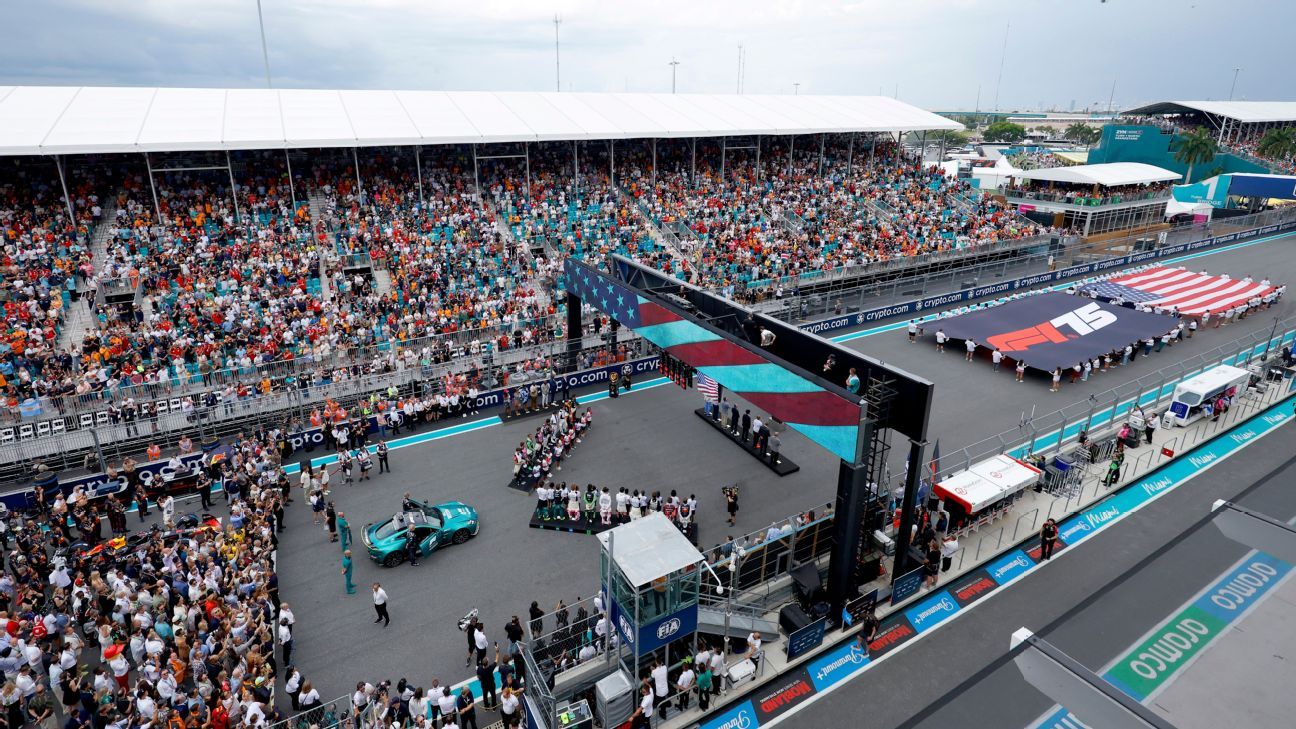
In anticipation of the upcoming Miami Grand Prix scheduled for May 3, Formula 1 has announced a series of rule adjustments aimed at addressing ongoing concerns related to the design and performance of the new cars introduced this season.
The changes were finalized after discussions among F1 officials, teams, and technical experts, focusing on ensuring fair competition and safety standards. The adjustments primarily target areas such as aerodynamics, car dimensions, and technical regulations that have sparked debate among teams and fans alike.
One of the key modifications involves refining the aerodynamic regulations to reduce the downforce levels that some teams have exploited to gain a competitive edge. This move is intended to promote closer racing and improve overtaking opportunities, which have been a point of contention this season.
Additionally, F1 has introduced specific measures to limit the flexibility of certain car components, which some teams have used to enhance performance. These measures include stricter weight and dimension constraints, ensuring a more level playing field across the grid.
Safety remains a top priority, and the rule tweaks also include enhancements to crash structures and safety barriers, especially considering the high speeds and close racing expected in Miami's street circuit.
Team principal and driver reactions to the rule changes have been mixed, with some expressing support for the efforts to improve racing quality, while others remain cautious about the potential impacts on car performance and reliability.
As the Miami Grand Prix approaches, teams are working diligently to adapt their cars to the new regulations. The adjustments are expected to be implemented immediately, allowing teams to test and optimize their setups in the remaining practice sessions.
Overall, Formula 1's proactive approach to refining its technical rules demonstrates its commitment to maintaining a competitive, safe, and entertaining racing environment. Fans and stakeholders will be watching closely to see how these changes influence the race dynamics in Miami and beyond.